

This smartphone has come a long way since it first appeared two decades ago. From simple mobile phones that could only be used to make phone calls and send messages, today’s smartphone can do much more than that. It can be used to play games, access the internet, and can even run computer applications. But the future smartphone could be much more than this.
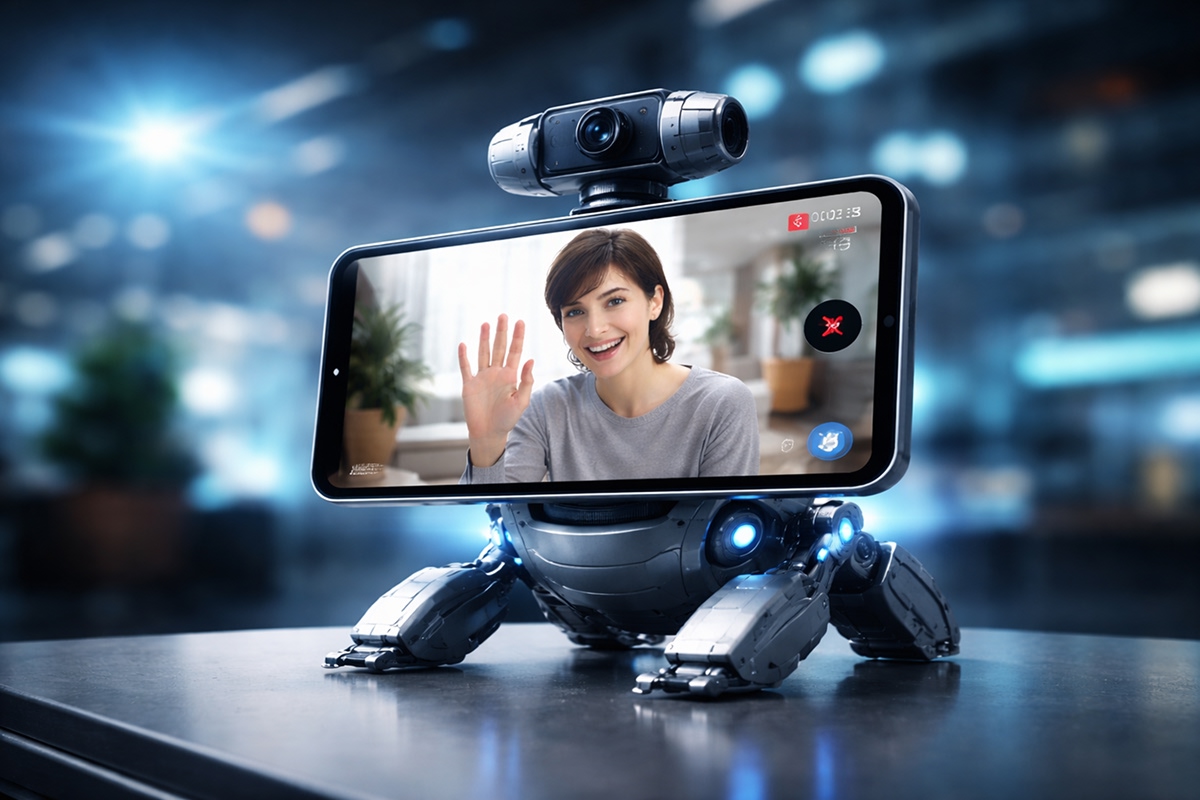
Recently, smartphone manufacturer Honor unveiled the concept of a new smartphone that could change the future of mobile phone use. The new smartphone, which has caught the attention of tech enthusiasts, is called the robot smartphone.
What Is a Robot Smartphone?
A robot smartphone can be described as a smartphone that has the capability to integrate the concept of embodied artificial intelligence with robotics.
Today’s smartphone has the capability to integrate software-based artificial intelligence, which can be used to power features such as voice assistants, predictive typing, and recommendation systems. The concept of a robot smartphone takes this to the next level by adding robotic features to the smartphone.
This can include features such as:
- Cameras that can rotate to track subjects
- Screens that can rotate to change their orientation
- AI-powered robotic features that can interact with users
- Smart feedback mechanisms
This will allow the smartphone to become much more interactive with users.
Also Read: AI-Powered Robots Are the Next Big Startup Trend in 2026
Honor’s Robot Smartphone Prototype
Recently, smartphone manufacturer Honor demonstrated the concept of a robot smartphone powered by embodied artificial intelligence.
The prototype combines robotics and AI technology to develop more interactive experiences. The device not only reacts to the user’s input but also analyzes the environment.
For instance, the phone could automatically adjust the camera angle during video recording, detect movement during live streaming, or move to enhance video calls.
The idea indicates that the future of smartphones holds the possibility of making adjustments without relying on the user’s input.
Although Honor did not reveal any plans to bring the technology to market, the idea demonstrates how the evolution of smartphone technology could be.
The Role of Embodied AI
One of the technologies that enable the development of robot smartphones is embodied AI.
Embodied AI refers to an artificial intelligence system that exists within a physical environment and interacts with it. It combines artificial intelligence and physical components, unlike other technologies that are based on software.
In robotics, embodied AI helps in developing an understanding of physical environments and enables the performance of tasks.
When it comes to smartphones, embodied AI could be used to develop phones that:
- Understand spatial environments
- Move and adjust physical components
- Interact with users
- Learn from real-world environments
The technology could be used to develop context-aware phones that can respond appropriately to real-world situations.
How Robot Smartphones Could Change Mobile Experiences
The emergence of robotic smartphone technology could revolutionize how people interact with their mobile phones.
Smarter Video Calls
Robot smartphones could automatically adjust the camera position so that the user remains in the center of the frame during the video call. This could save users the trouble of frequently adjusting the smartphone position.
Advanced Content Creation
Content creators could benefit from the features of robot smartphones, as they could automatically sense the movements of the user while recording videos. This could benefit mobile filmmakers and vloggers in a great way.
Improved Accessibility
Robot smartphone devices could provide more benefits to users with disabilities. They could also provide users with more physical feedback.
Intelligent Device Interaction
Rather than relying on the conventional method of interacting with the smartphone by tapping the screen repeatedly, users could be provided with the facility of interacting with the smartphone in a more intelligent way using the features of robot smartphones.
Robot smartphones could thus provide users with a more dynamic user experience.
Also Read: What Is a Deep Tech Startup and Why Investors Are Interested
Challenges Facing Robot Smartphone Technology
Despite the various advantages of the features of robot smartphone devices, the technology is still facing various challenges before it is introduced in the market.
Hardware Complexity
The integration of robotics components into smartphone devices could increase the complexity of the devices. Smartphone manufacturers could thus need to take adequate steps in ensuring that the devices remain durable and lightweight.
Battery Consumption
The integration of robotics components could increase the battery consumption of the smartphone devices, which could reduce the battery life of the devices.
Cost
The integration of robotics components could increase the cost of the smartphone devices compared to the conventional devices.
Reliability
The integration of robotics components could increase the reliability challenges of the smartphone devices. Smartphone manufacturers could thus need to take adequate steps in ensuring that the devices remain reliable and function smoothly over time. Robot smartphone devices could thus still remain in the conceptual stage before they are introduced in the market.
The Future of Intelligent Mobile Devices
While it may take some time for robot smartphones to become available to consumers, the concept itself represents an important shift in mobile technology. Smartphones are getting smarter and more interactive.
Currently, artificial intelligence plays a huge role in today’s smartphones with features such as photo optimization, voice assistants, and other software tools. The addition of robots to these smartphones could be a huge leap forward.
The big tech companies are trying to find new ways to incorporate these technologies to make smartphones smarter.
In the near future, smartphone technology could be such that it automatically changes hardware based on the user’s behavior. Smartphones could be more interactive with other smart devices and more immersive with augmented reality. They could be personal AI companions.
These are just a few possibilities with smartphone technology. These possibilities indicate that the smartphone industry still has a long way to go to reach its technological limits.
Conclusion
The concept of robot smartphones offers a fascinating glimpse into the future of smartphone technology. Robot smartphones incorporate both artificial intelligence and robots. These smartphones could revolutionize the way smartphone users interact with their phones.
The concept of robot smartphones is still in its early stages. However, the smartphone company Honor has already come up with a robot smartphone prototype.
If smartphone technology develops further and these robots become more practical for use, the smartphone of the future might not just be in your hand; it might actually move and interact with you.
In the future, robot smartphones might be one of the most fascinating smartphone innovations with the advancement of artificial intelligence and robots.